
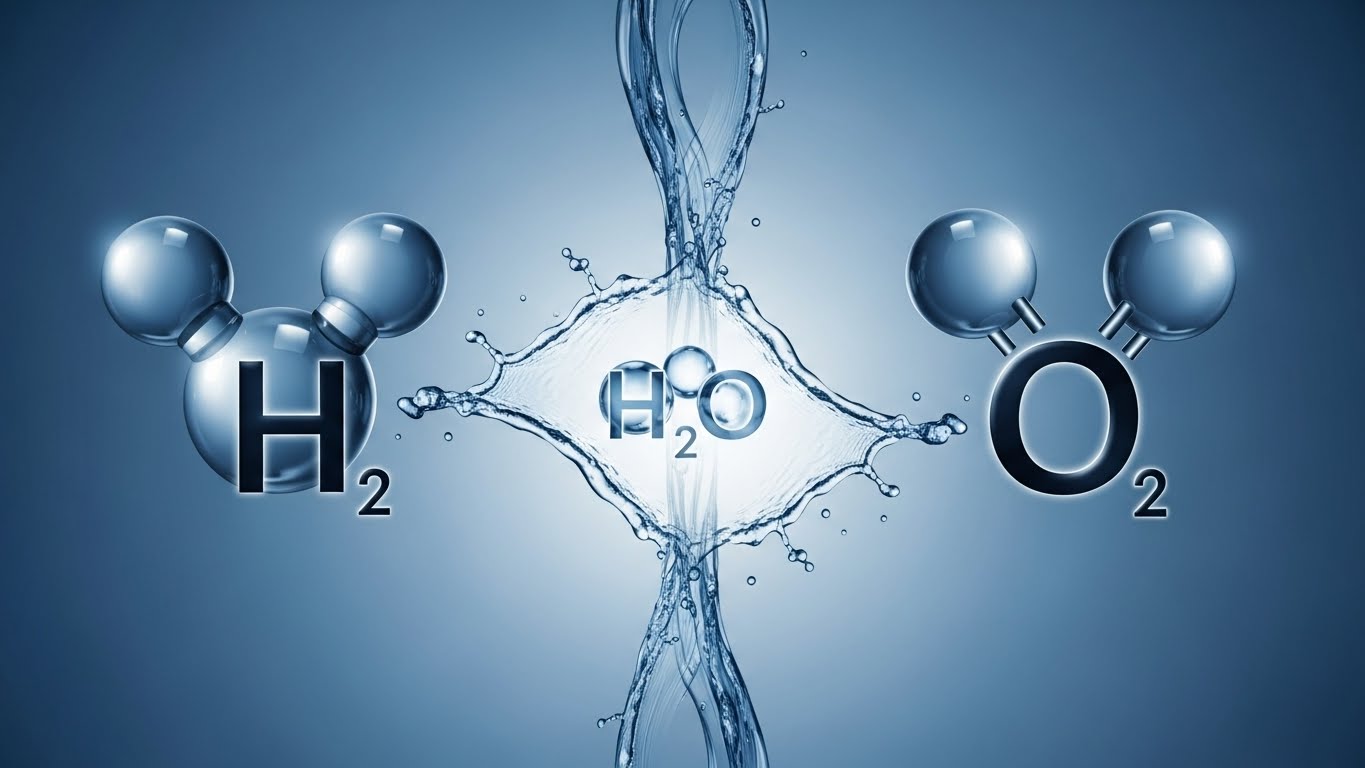
Clean, High-Energy Fuel with Simple Production Pathways
Hydrogen is one of the most promising clean energy carriers for a low-carbon future. When electricity — especially from renewable sources like wind, solar, or hydro — is used to split water into hydrogen and oxygen through electrolysis, it creates a fuel that emits zero carbon at the point of use (producing only water). This makes hydrogen an ideal partner to renewable electricity where direct electrification isn’t feasible (e.g., heavy transport, long-duration storage, industrial heat). Center for Sustainable Systems
Intrinsically Safe Characteristics with Robust Safety Systems
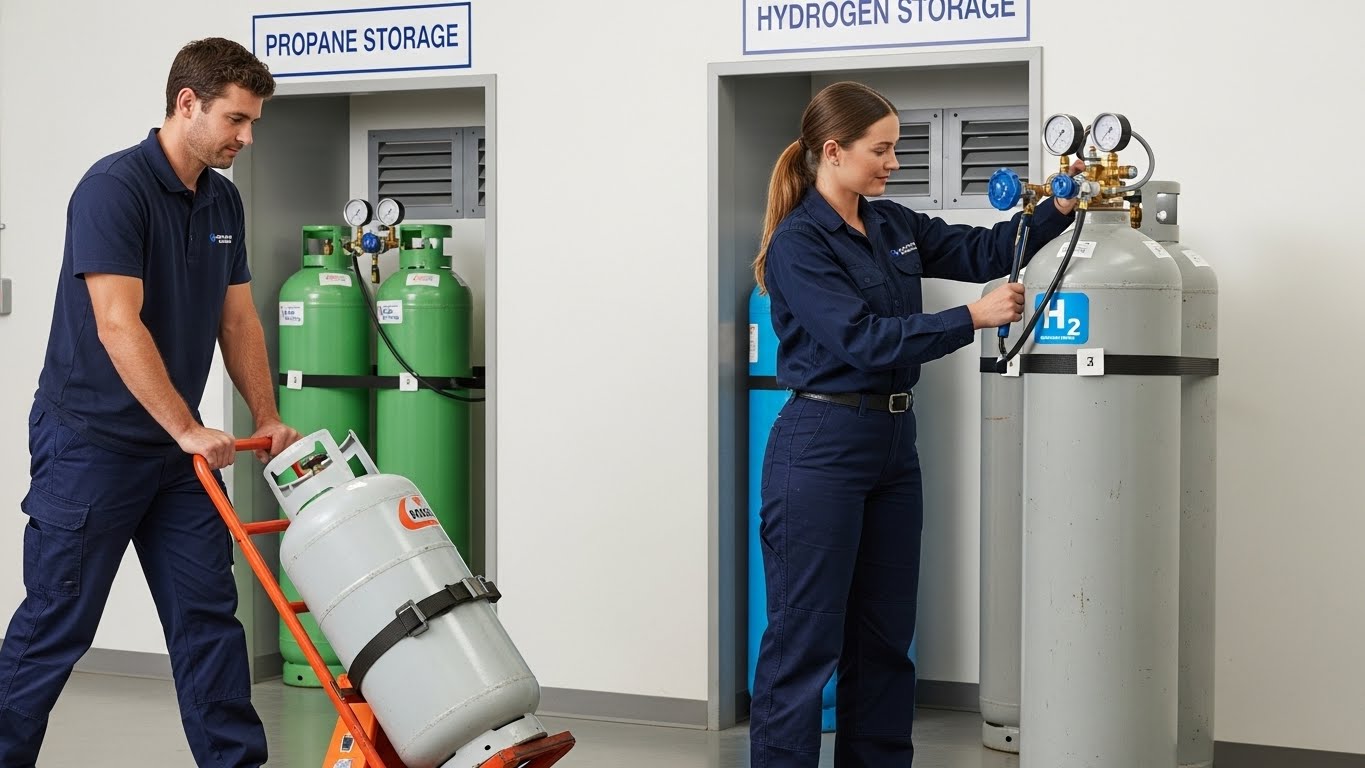
Hydrogen has been safely produced and used industrially for over a century. It is non-toxic, does not contaminate soil or water, and does not contribute to air pollution when used — unlike fossil fuels that emit harmful byproducts. Because hydrogen is very light, if a leak occurs it rapidly rises and disperses, reducing the likelihood of accumulating into a dangerous cloud compared to heavier fuels like gasoline or propane. The Department of Energy's Energy.gov+1
To ensure safety:
-
Systems are engineered with ventilation, leak detection, and material compatibility in mind.
-
Tanks and dispensers undergo rigorous testing (burst tests, drop tests, etc.).
-
Codes, standards, and training — including for first responders — are continuously developed and updated by organizations and government bodies. The Department of Energy's Energy.gov+1
Safety Mechanisms, Policies, and Training Frameworks
Hydrogen handling and infrastructure are tightly regulated with modern safety frameworks designed to protect users and communities:
-
National and international codes and standards govern the design, installation, and operation of hydrogen systems.
-
Training resources and best-practice databases help industrial workers and emergency responders understand hydrogen behavior and appropriate responses.
-
Research programs like those funded by the U.S. Department of Energy are advancing leak detection technologies and materials science to improve long-term system safety. The Department of Energy's Energy.gov+1
This proactive safety ecosystem ensures hydrogen systems can be deployed safely alongside existing fuels.
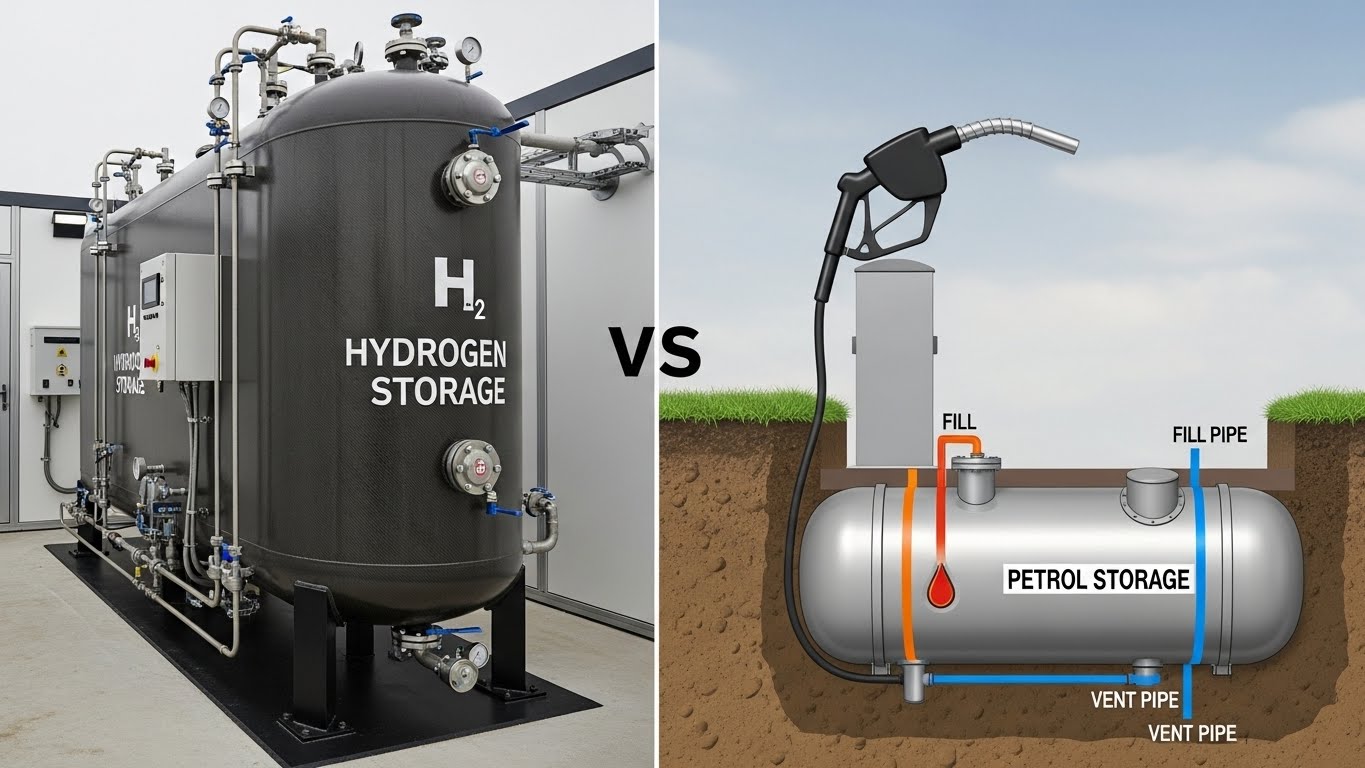
Comparisons to Other Fuels — Contextualizing Combustibility and Safety
Like all fuels, hydrogen is flammable within a defined range of concentrations in air (roughly 4% to 75% by volume), and it can ignite with a lower energy spark than some hydrocarbons. However, this does not inherently make it more dangerous:
-
Hydrogen disperses much faster than gasoline or natural gas due to its low density, reducing the chance of dangerous accumulations in open environments. H2tools
-
Its flames emit less radiant heat than many hydrocarbon fuel fires, which can lower the risk of secondary fires. NRDC
-
Expertise developed over decades of industrial use and modern engineering controls means hydrogen systems can achieve safety performance comparable to or better than conventional fuels when properly designed and maintained. California Energy Commission
Hydrogen is a clean, high-energy fuel that pairs naturally with renewable electricity through electrolysis. With established safety protocols, regulatory standards, engineered controls, and trained personnel, hydrogen can be handled and used safely in a wide range of applications. While hydrogen’s combustion properties differ from traditional fuels, modern design and safety frameworks ensure performance on par with familiar energy carriers.